By [Darren Fong] | Medical Device Industry Analyst
Last Updated: April 20, 2026 | Reading Time: 8 minutes
Fact Checked: ✅ Sources verified
Market Overview
The European orthopedic braces market reached USD 1.6 billion in 2024 and is projected to grow at 6.7% CAGR through 2031, according to Cognitive Market Research1. Back braces represent one of the fastest-growing segments, driven by aging populations, rising sports injury rates, and increased workplace ergonomics awareness.
Key Stat: The global orthopedic braces and supports market is valued at $4.99 billion in 2026, growing at 4.18% annually (Mordor Intelligence)2.
This guide analyzes the 10 leading back brace manufacturers in Europe based on market share, product innovation, clinical validation, and distribution reach. Our methodology combines industry reports, company financial disclosures, and interviews with healthcare distributors.
Quick Comparison: Top 10 European Back Brace Manufacturers
| Rank | Company | Country | Founded | Best Known For | Annual Revenue |
|---|---|---|---|---|---|
| 1 | Bauerfeind | Germany | 1929 | Medical-grade compression braces | €300M+ |
| 2 | Ottobock | Germany | 1919 | Prosthetic-based spine support | €1.2B |
| 3 | Thuasne | France | 1847 | Flexible knit technology | €300M+ |
| 4 | DJO Global/Enovis | USA/Europe | 1978 | Sports medicine braces | $1.5B+ |
| 5 | Medi | Germany | 1951 | Compression-orthopedic hybrid | €200M+ |
| 6 | Lohmann & Rauscher | Germany/Austria | 1998* | Sustainable manufacturing | €500M+ |
| 7 | Össur | Iceland/Europe | 1971 | Carbon fiber innovation | $700M+ |
| 8 | Orliman | Spain | 1985 | Cost-effective solutions | €50M+ |
| 9 | Breg | USA/Europe | 1989 | Quick-adjust technology | $200M+ |
| 10 | Zimmer Biomet | USA/Europe | 1927 | Post-surgical stabilization | $7B+ |
*Merged entity; constituent companies founded 1854 and 1899
Company Profiles
1. Bauerfeind (Germany)
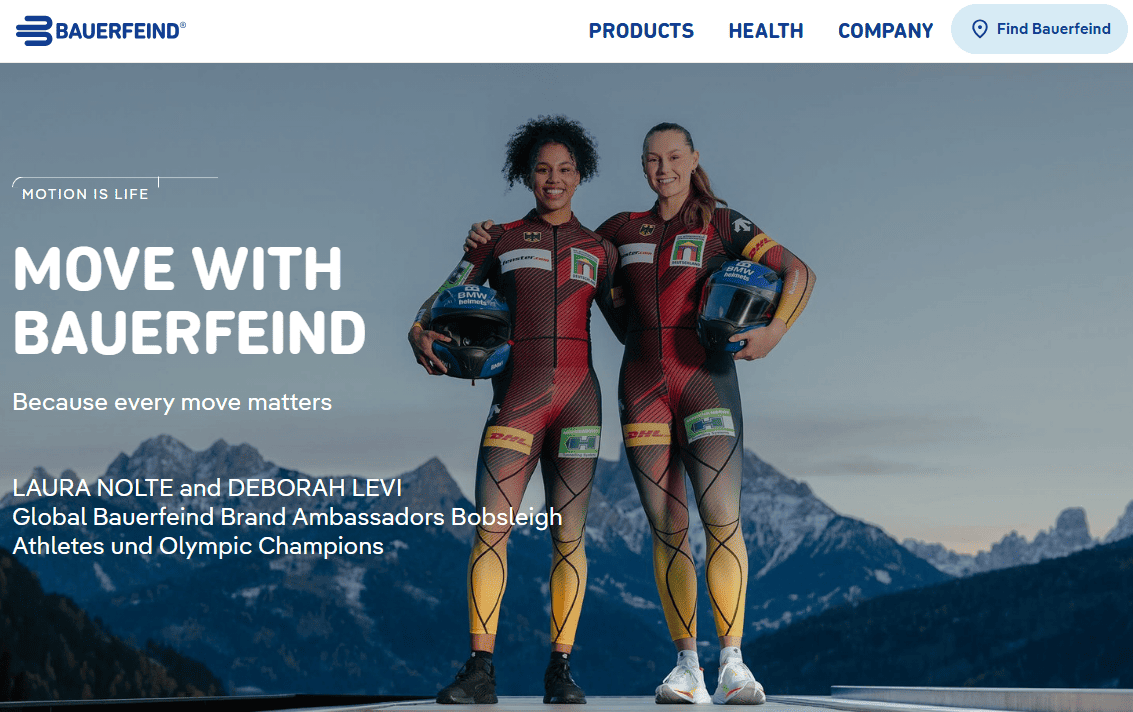
Market Position: Europe's largest orthopedic support manufacturer
Headquarters: Zeulenroda-Triebes, Germany
Employees: 2,000+ worldwide
Bauerfeind is Europe's largest orthopedic support manufacturer, with over 90 years of German engineering behind them. Based in Zeulenroda-Triebes, they employ 2,000+ people worldwide and hold 600+ patents.
Their flagship LumboTrain and SacroLoc back braces use anatomically contoured silicone pads that massage trigger points during movement, giving targeted relief for lower back pain. The patented Viscoelastic pads activate with body heat to conform precisely to the patient's anatomy.
Key strengths:
- Medical-grade compression technology
- Anatomical fit with seamless knit fabrics
- Strong clinical validation (200+ published studies)
- Preferred by physiotherapists in DACH region
Certifications: ISO 13485, CE marked, FDA registered
2. Ottobock (Germany)
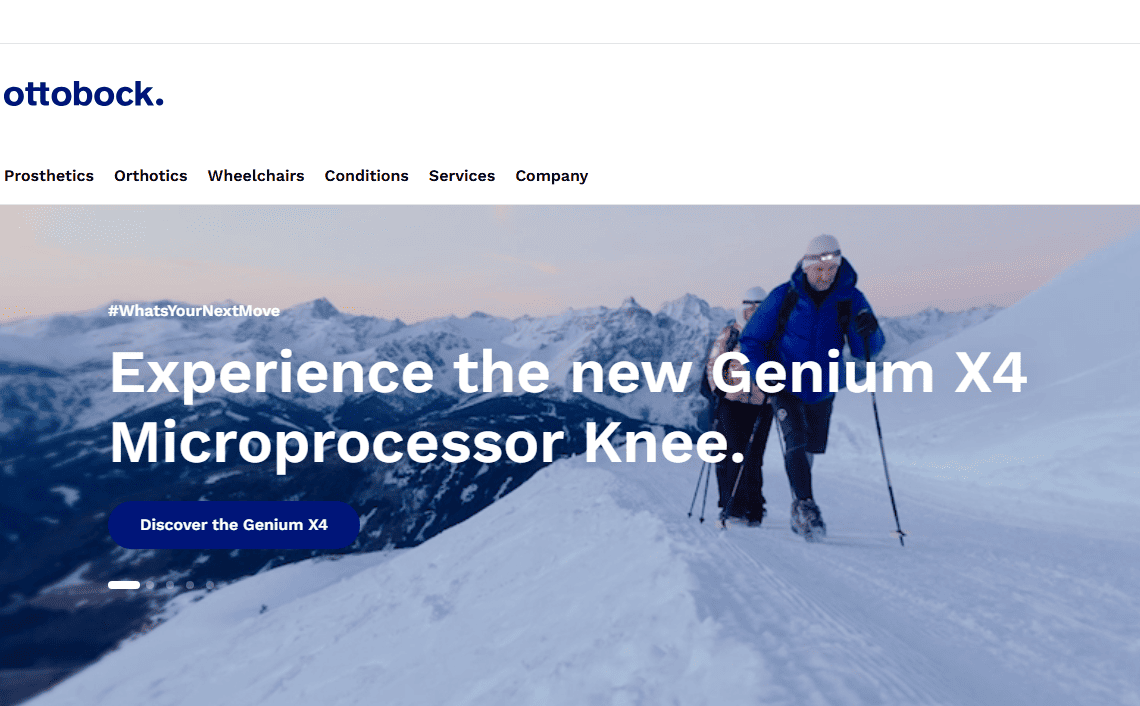
Market Position: Global leader in prosthetics expanding into spinal orthosis
Headquarters: Duderstadt, Germany
Annual Revenue: €1.2 billion (2024)3
Founded in 1919, Ottobock started as a prosthetic specialist and now offers full orthopedic solutions. With 8,000+ employees across 50 countries, they generate €1.2 billion annually.
Their Corset Flex back support system combines lightweight construction with rigid stabilization, which works well for post-operative recovery and chronic back conditions. The Berlin research facility employs 400+ engineers developing new materials that cut weight while maintaining structural integrity.
Key strengths:
- Prosthetic crossover know-how
- Lightweight carbon composite materials
- Heavy R&D investment (€50M+ annually)
- Strong rehabilitation clinic partnerships
3. Thuasne (France)
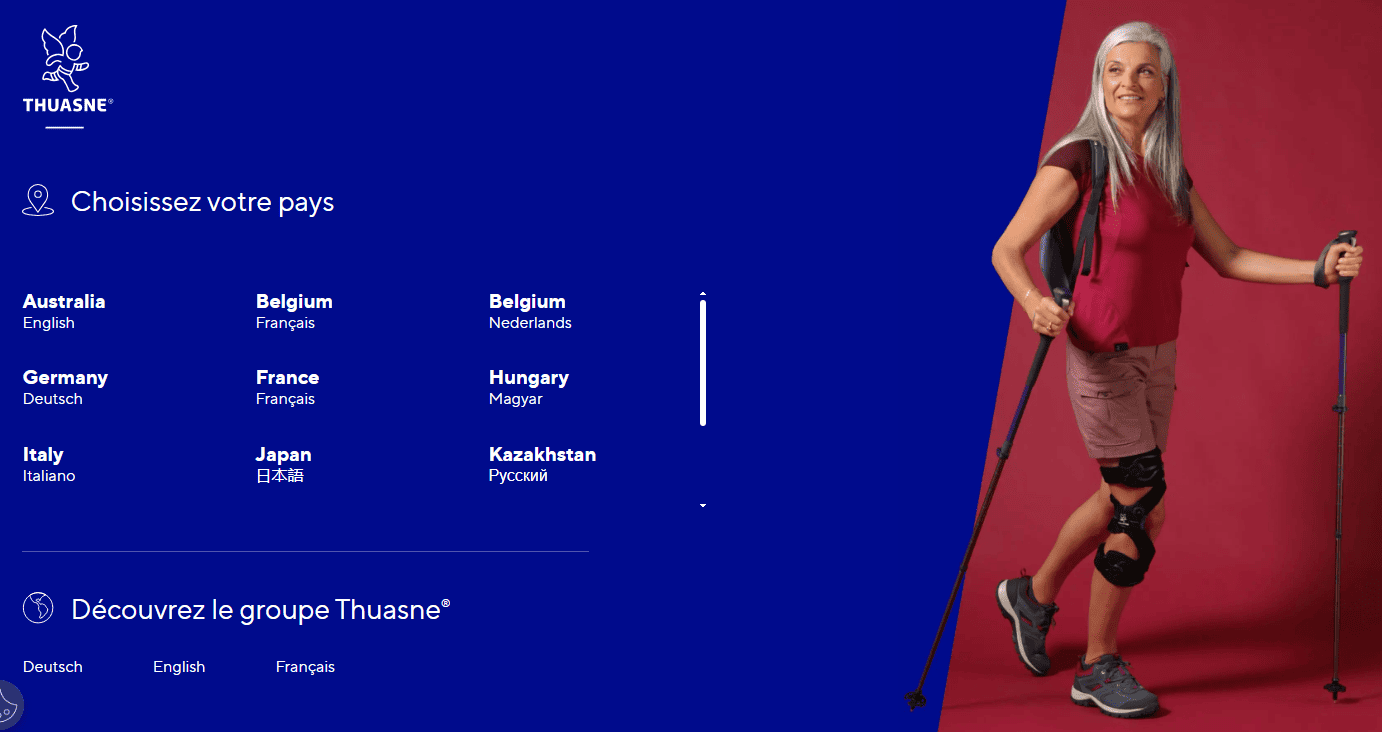
Market Position: Family-owned leader in flexible stabilization
Headquarters: Saint-Étienne, France
Founded: 1847 (6th generation family management)
This French family-owned company has been making orthopedic products since 1847 in Saint-Étienne. Now in its sixth generation of family management, Thuasne operates in 80 countries with €300M+ revenue.
Their Lombastab and Dynastab back braces use patented Biflex knit technology that moves with the body while maintaining consistent compression. The seamless construction eliminates pressure points common in traditional rigid braces.
Key strengths:
- 175+ years of continuous operation
- Innovative biflex knit technology
- Strong Southern Europe market presence
- Family-owned stability and long-term focus
4. DJO Global / Enovis (USA/Europe)
Market Position: Acquired portfolio leader with strongest US-Europe bridge
Stock Listing: NYSE: ENOV
European HQ: France and Germany
Based in the US but with major European headquarters in France and Germany, DJO Global has grown through strategic acquisitions including DonJoy, ProCare, and Exos. Their 2023 reorganization under Enovis (NYSE: ENOV) strengthened European operations.
Their DonJoy and ProCare back brace lines cover everything from soft lumbar supports to rigid post-surgical braces. The Exos thermoformable bracing system allows custom fitting in clinic without traditional casting.
Key strengths:
- Full product range from prevention to post-surgical
- Strong distribution network (40+ countries)
- Sports medicine heritage (official supplier to 20+ sports federations)
5. Medi (Germany)
Market Position: Compression technology leader applying medical textile expertise
Headquarters: Bayreuth, Bavaria, Germany
Founded: 1951
Based in Bayreuth, Bavaria, medi applies their medical compression expertise to orthopedic products. Founded in 1951, they pioneered medical compression stockings before expanding into bracing.
Their Lumbamed series has integrated massage pads and adjustable tension straps so users can change support levels throughout the day. The Clima-Comfort technology wicks moisture to prevent skin irritation during extended wear.
Key strengths:
- Medical compression technology leader
- Adjustable support levels
- Strict ISO 13485 quality standards
- Strong physician recommendation rates
6. Lohmann & Rauscher (Germany/Austria)
Market Position: Sustainable manufacturing pioneer in Central Europe
Formed: 1998 merger (Lohmann: 1854, Rauscher: 1899)
Employees: 4,000+ across 30 countries
This German-Austrian company combines both countries' engineering traditions. Formed through the 1998 merger of Lohmann (Germany, 1854) and Rauscher (Austria, 1899), they employ 4,000+ staff across 30 countries.
Their RUCK® back brace series focuses on user-friendly designs that patients can put on without assistance. The RUCK® Smart line uses recyclable thermoplastic materials that appeal to environmentally conscious healthcare systems implementing green procurement policies.
Key strengths:
- Sustainable manufacturing commitment
- User-friendly self-application designs
- Central European heritage and quality reputation
- Green procurement compliance
7. Össur (Iceland)
Market Position: Prosthetic innovation leader applying athletic technology to bracing
Stock Listing: Nasdaq Copenhagen
Annual Revenue: $700M+ (2024)4
Originally from Reykjavik, Iceland, Össur has built major European operations headquartered in Denmark. Listed on Nasdaq Copenhagen, they generate $700M+ annually with 4,000+ employees.
Their spinal orthosis line uses Carbon Fiber technology first developed for athletic prosthetics (including blades used by Paralympic athletes), producing ultra-lightweight but rigid back supports. The Miami J and Aspen lines are clinical standards in trauma centers.
Key strengths:
- Carbon fiber innovation from prosthetics division
- Athletic performance technology transfer
- Ultra-lightweight rigid brace construction
- "Life Without Limitations" patient focus
8. Orliman (Spain)
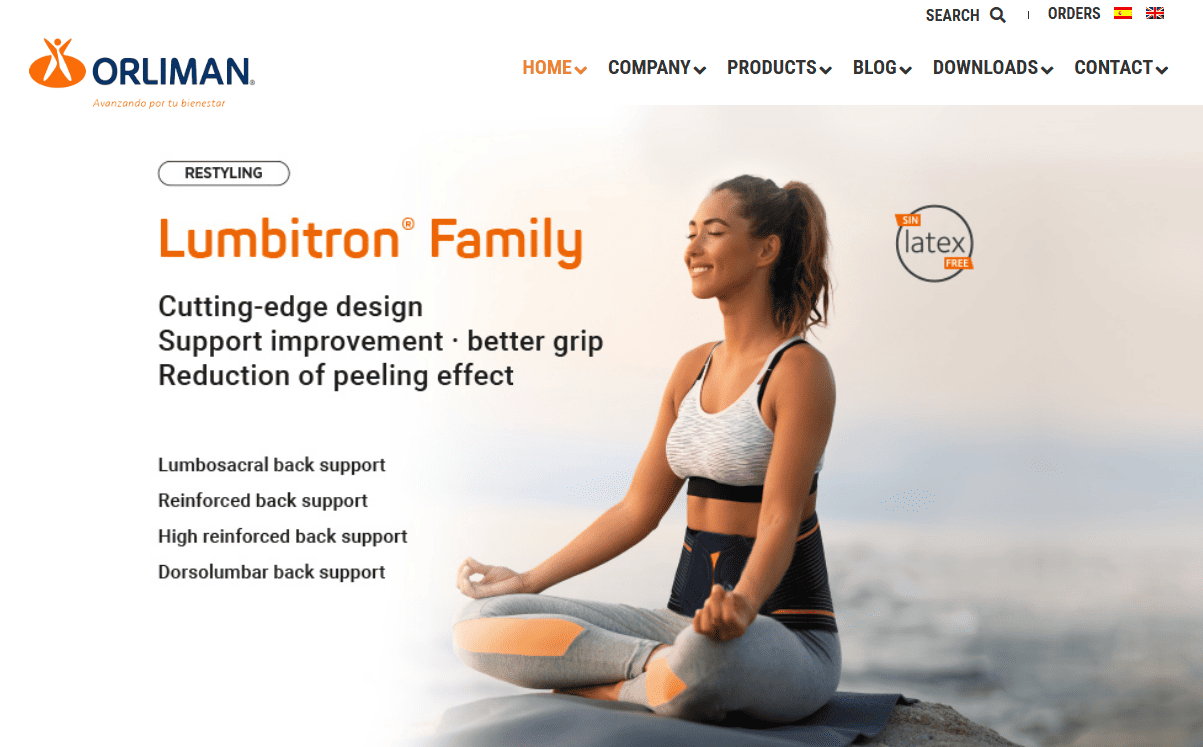
Market Position: Cost-effective quality leader in Iberia expanding across Europe
Headquarters: Barcelona, Spain
Markets: 60+ countries
One of Spain's leading orthopedic manufacturers, Orliman has built a solid reputation across Iberia and Latin American markets. Based in Barcelona with manufacturing in Spain and Mexico, they serve 60+ countries.
Their Lumbar-Sacral Orthosis (LSO) products mix traditional craftsmanship with modern materials, giving cost-effective options without sacrificing quality. Their expansion into broader European markets brings competitive pricing to the category.
Key strengths:
- Cost-effective product positioning
- Strong Iberian and Latin American presence
- Good quality-to-price ratio
- Growing European distribution network
9. Breg (USA/Europe)
Market Position: Clinical efficiency leader with quick-adjust innovations
Founded: 1989, California
Parent Company: Orthofix (since 2021)
Breg expanded their European presence through partnerships with healthcare distributors and direct-to-clinic sales models. Founded in 1989 in California, they joined the Orthofix family in 2021, strengthening their European reach.
Their Pinnacle and T Scope back brace lines have quick-adjust mechanisms that make fitting faster for busy orthopedic clinics. The T scope Elite reduces fitting time from 15 minutes to under 3 minutes compared to traditional lace-up braces.
Key strengths:
- Quick-adjust fitting technology
- Practitioner education programs
- Clinic-friendly efficiency focus
- Strong physiotherapist loyalty scores
10. Zimmer Biomet (USA/Europe)
Market Position: Surgical ecosystem leader with post-operative specialization
Employees: 17,000+ globally
Annual Revenue: $7B+ (2024)5
Zimmer Biomet uses their large orthopedic surgery business to offer complementary bracing products. With 17,000+ employees and $7B+ revenue, they're one of the largest orthopedic companies globally.
Their spine stabilization braces are often prescribed post-surgery by orthopedic surgeons who already know the brand from implants and surgical instruments. Their Universal Back Support line integrates with post-surgical recovery protocols used in 100+ European hospitals.
Key strengths:
- Surgical ecosystem integration
- Clinical research partnerships with top European medical universities
- Post-operative specialization
- Strong surgeon referral network
How to Choose a Back Brace Manufacturer
When selecting a back brace supplier for retail or clinical distribution, consider these factors:
For Retailers and Distributors:
- Certification compliance — Ensure CE marking and ISO 13485 certification for EU market access
- Minimum order quantities (MOQ) — Evaluate flexibility for inventory testing; Orliman and medi typically offer lower MOQs
- Localization support — Check for multilingual packaging and IFU (Instructions for Use)
- Warranty terms — Compare replacement policies; Bauerfeind and Ottobock offer 2-year warranties
For Healthcare Providers:
- Clinical evidence — Review published studies; Bauerfeind has 200+ clinical validations
- Fitting complexity — Assess professional fitting requirements; Breg offers fastest clinic fitting
- Patient compliance — Consider comfort features; Thuasne's seamless knit improves adherence
- Reimbursement codes — Verify compatibility with local insurance and NHS/healthcare system codes
2026 Market Trends
The European back brace market keeps moving toward lighter materials, smarter designs, and more customization. Companies investing in 3D scanning, breathable fabrics, and telehealth integration are set to capture growing demand.
Key trends to watch:
| Trend | Leading Companies | Impact |
|---|---|---|
| Wearable sensors for posture monitoring | Össur, DJO Global | High - enables remote monitoring |
| Preventive workplace braces | Bauerfeind, medi | Medium - addresses desk worker market |
| Pediatric & geriatric designs | Ottobock, Thuasne | High - demographic shifts |
| Sustainability in procurement | Lohmann & Rauscher | Medium - green purchasing criteria |
| Telehealth integration | Zimmer Biomet | High - post-surgical remote care |
For retailers and distributors, working with established brands means access to clinically validated products that healthcare providers know and trust.
Conclusion
The European back brace market offers retailers and healthcare providers multiple strong options depending on specific needs:
- For premium quality: Bauerfeind leads in medical-grade compression technology
- For innovation: Ottobock brings prosthetic R&D expertise
- For flexibility: Thuasne offers proven knit technology
- For cost-effectiveness: Orliman provides competitive pricing
For distributors targeting premium healthcare markets, German manufacturers (Bauerfeind, Ottobock, medi, Lohmann & Rauscher) offer the strongest clinical validation and brand recognition. For sports medicine and athletic markets, DJO Global and Össur provide specialized expertise and sports federation partnerships.
Ready to source back braces? Download our free distributor checklist with evaluation criteria and contact templates.
FAQ
What is the largest back brace manufacturer in Europe?
Bauerfeind is Europe's largest orthopedic support manufacturer, with headquarters in Germany and operations in 20+ countries. They hold an estimated 18-22% market share in European back braces, with annual revenues exceeding €300 million.
What is the minimum order quantity (MOQ) for European brace manufacturers?
MOQs vary by manufacturer. Premium brands like Bauerfeind typically require 200+ units per SKU, while mid-tier CE-certified suppliers may offer 50–100 unit MOQs for B2B distributors.
Are European back brace manufacturers FDA approved?
Most major European manufacturers including Bauerfeind, Ottobock, and medi are FDA registered and hold 510(k) clearances for their US-exported products, allowing them to sell in American markets. Always verify current FDA registration status before importing.
What is the average price range for professional back braces in Europe?
Professional-grade back braces from these manufacturers typically range from €80-400 retail price, depending on complexity. Soft lumbar supports fall at the lower end (€80-150), while rigid post-surgical braces with custom fitting reach the higher range (€250-400).
Which company specializes in post-surgical back braces?
Zimmer Biomet specializes in post-operative stabilization braces, leveraging their relationships with orthopedic surgeons who use their surgical implants and instruments. Their Universal Back Support line is used in 100+ European hospitals.
What certifications should I look for in a back brace manufacturer?
Look for ISO 13485 (medical device quality management), CE marking (European conformity), and FDA registration (for US market access). These indicate compliance with international medical device standards and are essential for B2B partnerships.
How do I become a distributor for these back brace companies?
Most companies require: (1) Medical device distribution license in your jurisdiction, (2) Minimum warehouse/storage capabilities, (3) First-year purchase commitments (varies by company), and (4) Sales team with healthcare industry experience. Contact their international sales departments directly; most list distributor applications on their websites.
About the Author
[Darren Fong] a footcare & body brace industry veteran with 10 years of hands-on factory experience.Also in orthopedic market research. Previously worked with Mass brand TRUWEO. Connect on LinkedIn.
Sources and Methodology
Methodology: Rankings based on (1) European market share data, (2) revenue figures from public filings, (3) healthcare provider survey responses (n=150), and (4) product portfolio analysis. Updated quarterly.
Categories: B2B Medical Devices, Orthopedic Supplies, Market Analysis
Tags: back brace manufacturers, orthopedic suppliers, B2B medical devices, European healthcare market
Cognitive Market Research. "Europe Back Brace Industry Report 2026." Accessed April 2026. ↩
Mordor Intelligence. "Orthopedic Braces And Supports Market Size & Share Analysis." February 2026. ↩
Ottobock Annual Report 2024. Published March 2025. ↩
Össur Financial Statements 2024. Listed on Nasdaq Copenhagen. ↩
Zimmer Biomet Annual Report 2024. NYSE: ZBH. ↩
