
Struggling with high tariffs and finding trustworthy insole suppliers1?This uncertainty can damage your business and hurt your bottom line. Let me share my industry experience to guide you.
The most reliable insole suppliers are still concentrated in China's Guangzhou, Dongguan, and Jinjiang regions. They have a long history, advanced manufacturing, and great prices. While Vietnam and Turkey are alternatives, China often provides the best balance of quality, cost, and stability for your business.
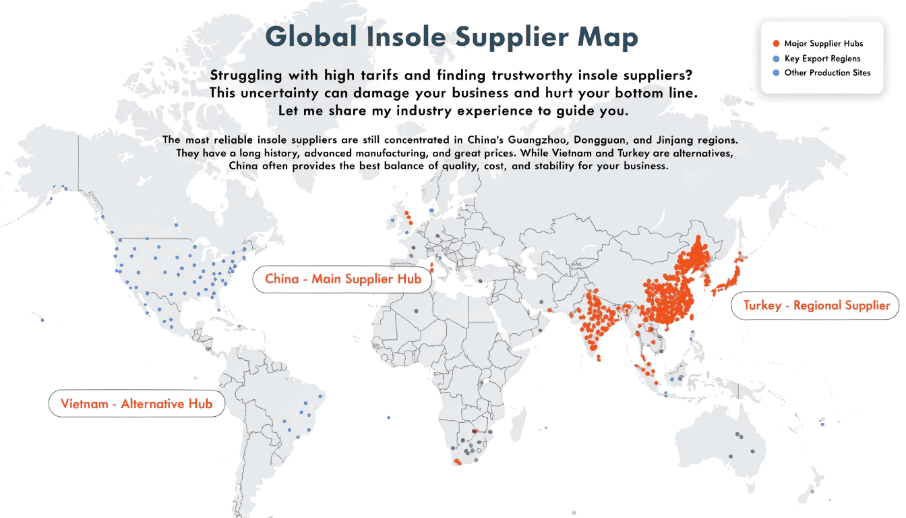
Finding the right partner is more than just looking at a map. Over my 15 years as an orthopedic specialist deeply involved in the foot care industry, I've seen firsthand what makes a supplier truly reliable. It's about the entire ecosystem, from raw materials to the final stitch. The trade war has complicated things, but the fundamentals of good manufacturing haven't changed. But where do you actually start your search, and what makes one region better than another? Let's break it down.
Why is China Still the Top Choice for Insole Manufacturing?
Worried that tariffs make Chinese suppliers too expensive? You might be missing out on unparalleled quality and infrastructure. This could cost you more in the long run with other options.
China remains the top choice because of its mature supply chains2, advanced technology, and skilled labor in hubs like Guangzhou and Dongguan. The huge scale of production keeps costs competitive. This often offsets a portion of the tariffs, while ensuring you get consistent, high-quality products.
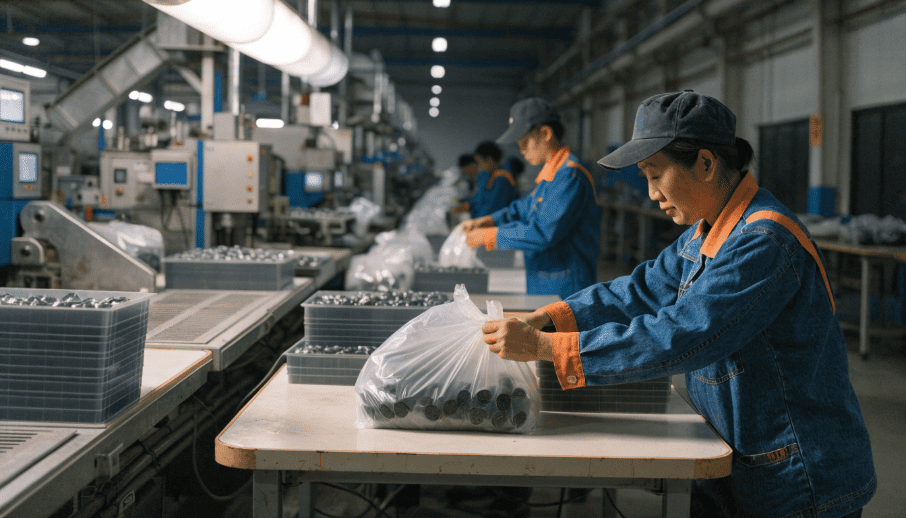
I've spent a good part of my career visiting manufacturing facilities, and the difference is clear. When you go to places like Dongguan or Jinjiang, you're not just visiting a factory; you're entering a complete industrial ecosystem. Everything you need is right there.
The Powerhouse Regions
The raw material suppliers are often just a short drive from the assembly plant. The machinery experts who can fix a specialized press are on call. This level of integration is something I haven't seen anywhere else. It means production is faster, troubleshooting is easier, and innovation happens at a rapid pace. This is why, despite tariffs, many businesses find that the total landed cost and reliability from China are still unbeatable.
Here's a simple breakdown of the key areas I know well:
| Region | Specialization | Key Advantages |
|---|---|---|
| Guangzhou/Dongguan | High-quality leather goods, complex shoe accessories | Mature supply chain, skilled labor, advanced tech |
| Quanzhou/Jinjiang | Fashion footwear, mass-market shoe components | Huge production scale, cost-effective, fast |
This deep-rooted expertise is why China continues to be a manufacturing giant.
Is Vietnam a Viable Alternative to China for Insoles?
Thinking of moving production to Vietnam to avoid tariffs? Be careful. Hidden costs and less developed supply chains could create new headaches for your business. Let me explain the reality.
Vietnam is a decent alternative, especially for simpler products, because of its lower labor costs. But its supply chain is not as developed as China's. This often leads to higher overall prices, sometimes 15-20% more, and delays when you need specialized materials3 for complex insoles.
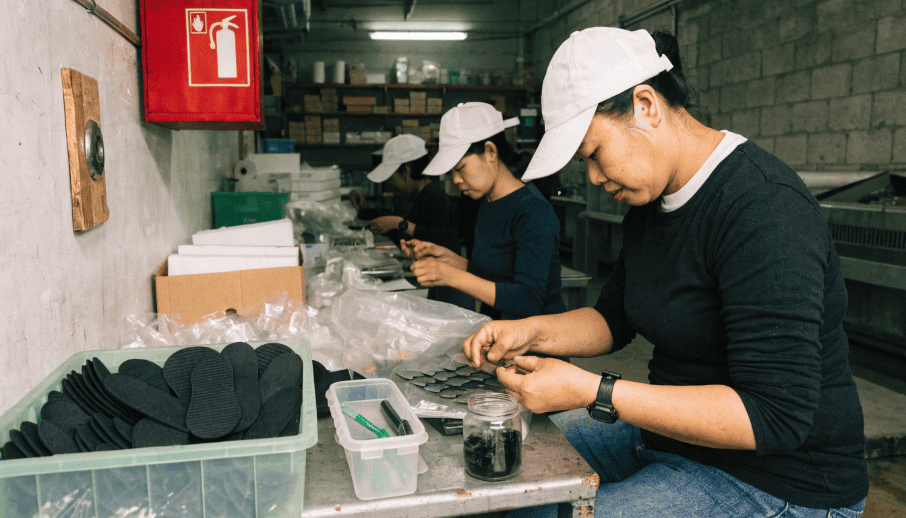
I've seen many companies explore Vietnam as a "China plus one" strategy. It's a smart idea on paper. But in practice, I've found that many Vietnamese factories still rely heavily on China for their raw materials. Think about it. The specialized foams, performance fabrics, and medical-grade plastics needed for high-quality orthopedic insoles are often imported from China.
The Supply Chain Reality
This adds an extra step to the process. It increases logistics costs and extends lead times. So, while you might save on labor, you could end up paying that 15-20% premium on the final product. I once worked with a client who moved a simple gel heel cup to Vietnam. They were happy at first, but when they tried to move a more complex orthotic insole, they hit a wall. The local suppliers just didn't have the technical materials needed. They had to source them from China, which wiped out their cost savings. Vietnam is growing, but for specialized foot care products, it's not a simple one-to-one replacement for China's deep manufacturing base.
What About Sourcing Insoles from Turkey or Other Regions?
Looking at Turkey for its proximity to Europe? The convenience might be tempting, but inconsistent workmanship can lead to quality control issues that you don't want to deal with.
Turkey is a potential option, especially for European brands, because of its location. But I've found that their production quality can be less stable than in Asia. Other regions like India, Bangladesh, and Mexico have a few suppliers, but they lack the specialized focus on footwear accessories.
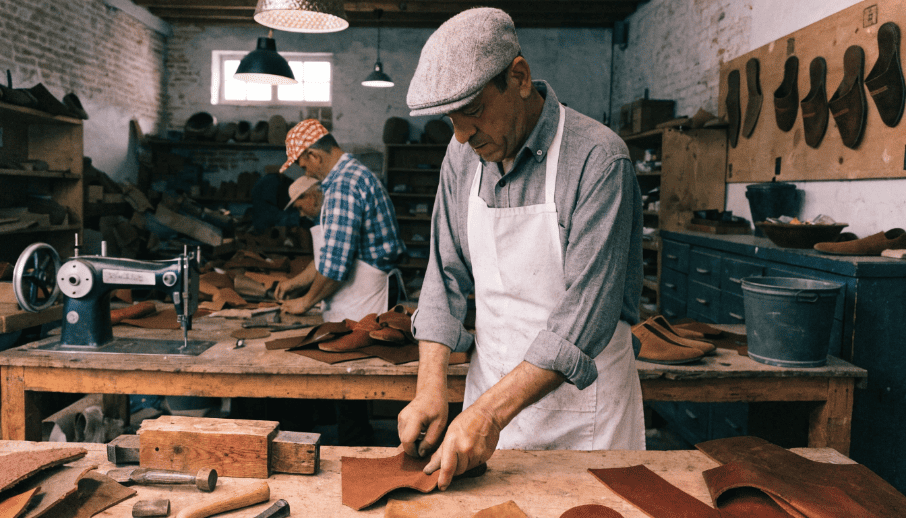
Over the years, I've had many European colleagues share their experiences with me. Several of them tried shifting their insole production to Turkey to shorten shipping times. Initially, things seemed promising. But they soon ran into problems with consistency. One batch would be perfect, and the next would have slight variations in density or shape.
Consistency is Key
In the world of orthopedic products, consistency is everything. A millimeter of difference can change how an insole supports the foot. Many of these European clients eventually returned to their trusted Chinese suppliers. They decided that the reliability and stable quality from China were worth the longer shipping journey. As for other markets, they are still very small players in this specific industry. While Mexico is a powerhouse for many goods destined for the US, its expertise in specialized orthopedic insoles is limited. The same goes for India and Bangladesh. They have massive textile and garment industries, but they haven't developed the deep, specialized ecosystem needed for high-performance foot care products.
How Do You Actually Vet a Supplier in This Climate?
Found a potential supplier? The real work starts now. How do you make sure they are reliable and can deliver on their promises, especially with global trade being so unpredictable?
You need to look beyond the price list. Ask for certifications like ISO, CE, or FDA. Start with a small trial order to test their quality and communication. A good partner will be transparent about their supply chain and upfront about how they handle tariff impacts.
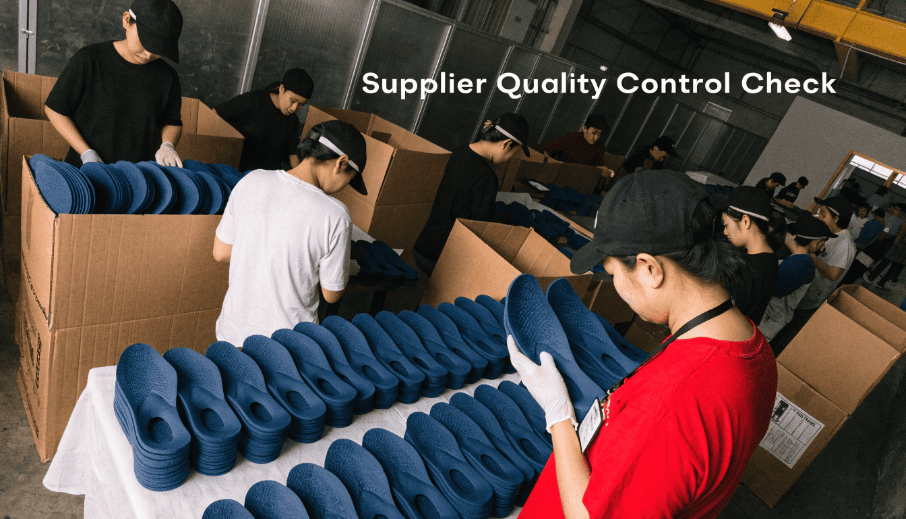
I always tell my partners that the first step is to verify their credentials. Don't just take their word for it. As a manufacturer ourselves, we at Medisolemates proudly display our ISO 13485, CE, and FDA certifications. These aren't just pieces of paper; they represent a commitment to quality and safety standards. Ask any potential supplier for their documentation. If they hesitate, that's a red flag.
A Practical Vetting Process
Next, communication is crucial. During the sample and trial order phase, pay close attention to how they respond. Are they quick to answer? Do they understand your technical requirements? Do they provide solutions when a problem arises? I once tested a new supplier and intentionally sent them a design with a minor flaw. A great supplier came back to me, pointed out the potential issue, and suggested a better way to produce it. A poor supplier just made the flawed product without a question. This simple test tells you a lot about their expertise and whether they will be a true partner or just an order-taker.
Finally, discuss the hard topics. Ask them directly about their experience with international shipping and tariffs. A seasoned supplier will have a clear process for handling customs and will be able to explain how they price their products to account for these extra costs. Transparency here is key to a healthy long-term relationship.
Conclusion
Finding the right insole supplier is about balancing cost, quality, and reliability. China remains a top choice, but always verify certifications and test communication before you commit to any partner.
Explore this link to discover top-rated insole suppliers that can enhance your product quality and reliability. ↩
Explore this resource to learn about the importance of a mature supply chain in ensuring product quality. ↩
Explore the types of specialized materials that can elevate the quality of orthopedic insoles. ↩
